
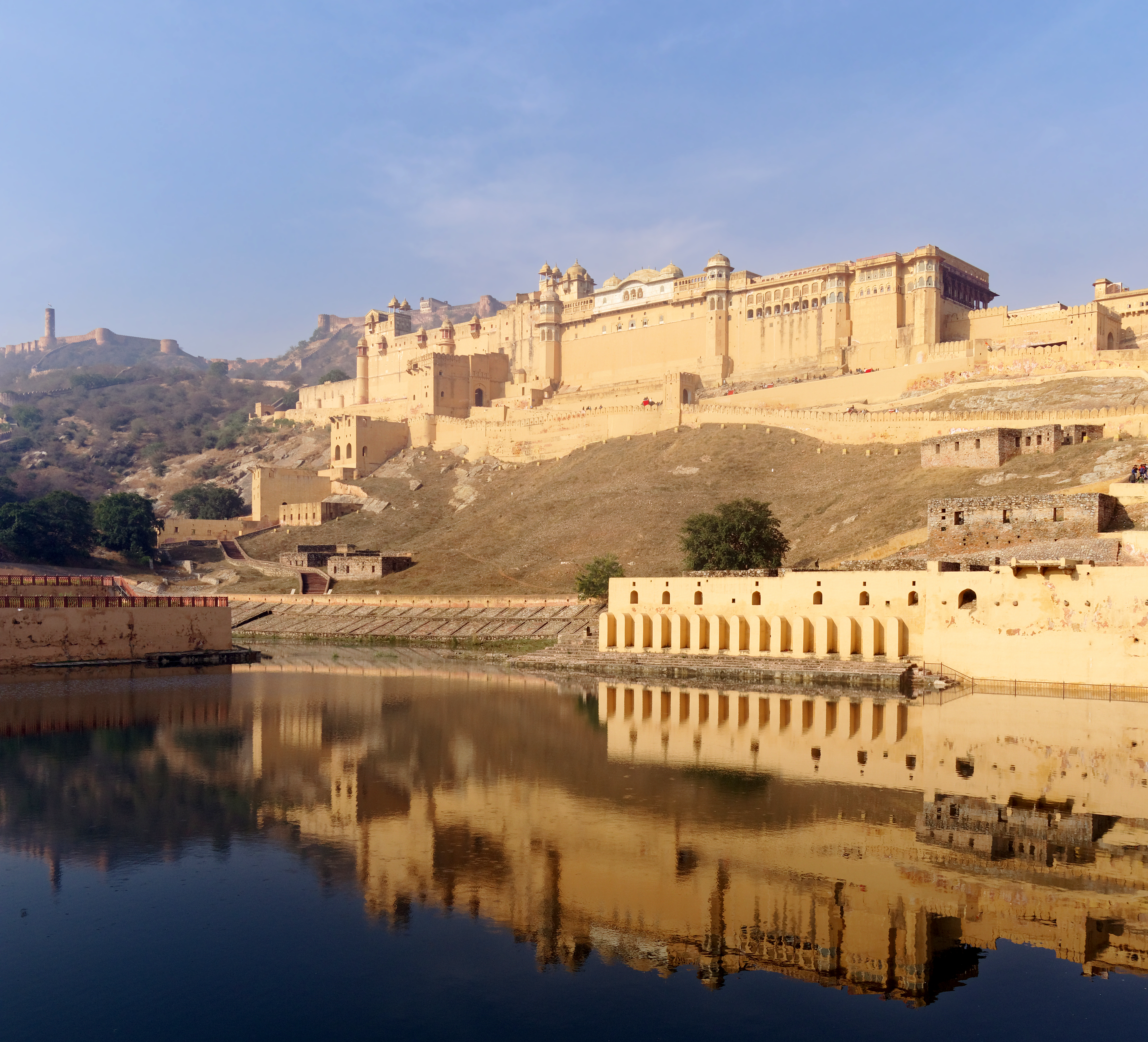
 Planning
The 7 Day Rajasthan Itinerary
The classic Jaipur–Jodhpur–Udaipur loop, plus how to drop a Ranthambore safari night into the start.
Read guideWhere in Rajasthan to actually see a tiger — Ranthambore vs Sariska, zone and timing secrets, and the wildlife trips that get you into the parks.
Rajasthan's wildlife is easy to underestimate. Most first-timers book a land of forts, lakes and deserts, then discover the tiger safaris of Ranthambore and Sariska are among the best in India — and the part guests still talk about years later.
This is the honest, practical version of what we tell clients who ask about wildlife: how the two reserves compare, when to go, which zones to request — and how the parks slot into a wider trip like our 7 day Rajasthan itinerary.
The short answer is two parks. Ranthambore National Park, three and a half hours south-east of Jaipur, is the superstar — India's most famous tiger reserve, where jeeps cruise past ruined forts and lakes. Sariska Tiger Reserve, four hours south of Delhi, is the quieter cousin: far fewer jeeps, and sightings that come to patient travellers more than lucky ones.
Both sit off the classic circuit, which is why wildlife is so easy to add. Ranthambore pairs naturally with the Pink City — our Jaipur & Ranthambore safari is one of our most-booked packages — and Sariska is an easy Delhi loop. Beyond the tigers, the state quietly holds two more wildlife draws that deserve a place on the trip.
Ranthambore is where you go when a tiger sighting genuinely matters. Its dry deciduous forest and habituated resident tigers make the park famous: cats gather at the lakes in morning light and often cross the open tracks within camera range.
Permits go on sale up to 60 days ahead and the lakeside zones sell out first — book Zone 1–5 before safari morning, not on it.
Two safaris over one full day is a complete introduction. Our Ranthambore tiger safari package handles permits, jeeps and a naturalist guide so you spend the day watching wildlife, not queueing for paperwork.
Sariska is the answer when you want the tiger experience without the crowds. It sits four hours south of Delhi, making it a natural add-on before or after the Golden Triangle. You trade a little certainty for a lot of stillness.
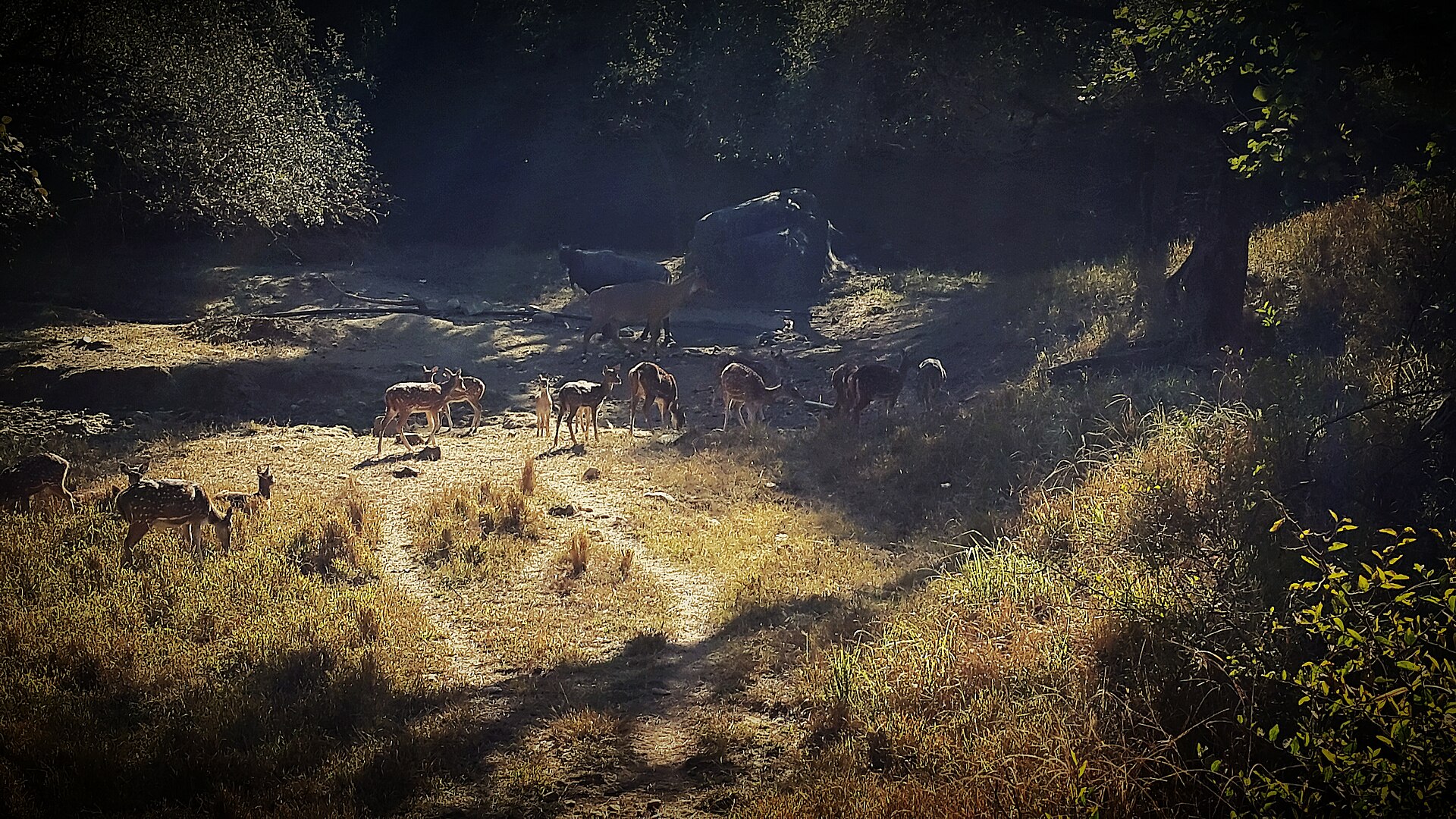
What Sariska lacks in tiger probability it pays back in atmosphere — leopards, sambar, and the ancient Kankwari Fort inside the park. It sits on a Delhi–Sariska–Jaipur route, exactly how the Sariska tiger safari is stitched into longer trips.
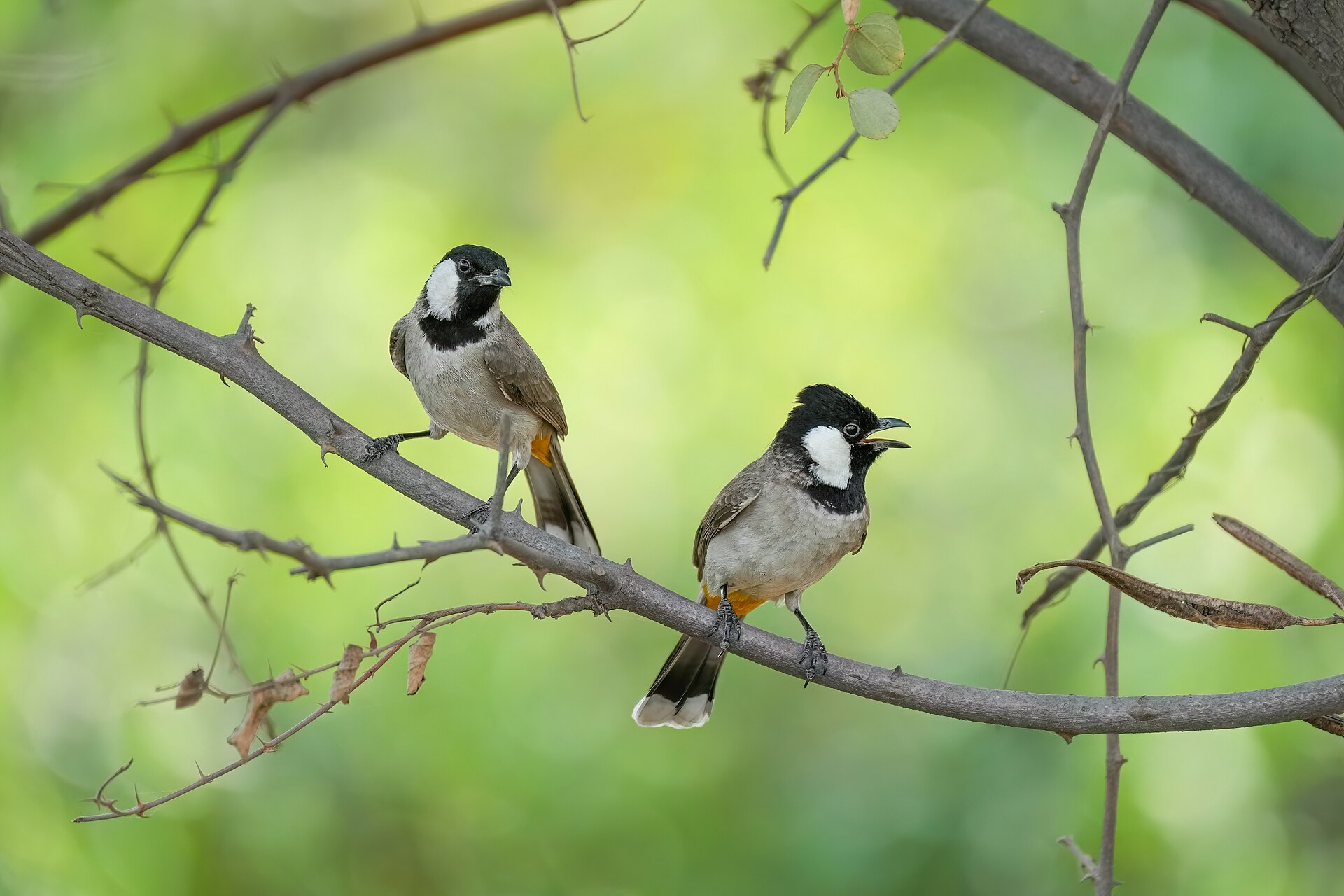
Stretch the definition of safari and Rajasthan gives you two more superb wildlife days. First is Bharatpur — Keoladeo National Park, a UNESCO wetland two hours from Jaipur, where winter brings over 350 bird species from painted storks to rare cranes. Visits are done by cycle-rickshaw or bicycle.
Second is the National Chambal Sanctuary, where boat safaris pass nesting gharials — the fish-eating crocodile with a pencil-thin snout — alongside otters and the rare Ganges river dolphin. It is a completely different Rajasthan from the forts, and for wildlife lovers a surprise highlight.

A good wildlife itinerary is a decision about how much tiger you want. Two safaris — morning plus dusk — in Ranthambore is the honest minimum, and it fits as a two-night detour on any Rajasthan wildlife tour. Photographers book two full days and four drives. Start in Delhi? The Delhi Jaipur Ranthambore tour threads the park into the Golden Triangle; for a long trip, Ranthambore and Bharatpur fold into the Rajasthan Grand Tour.
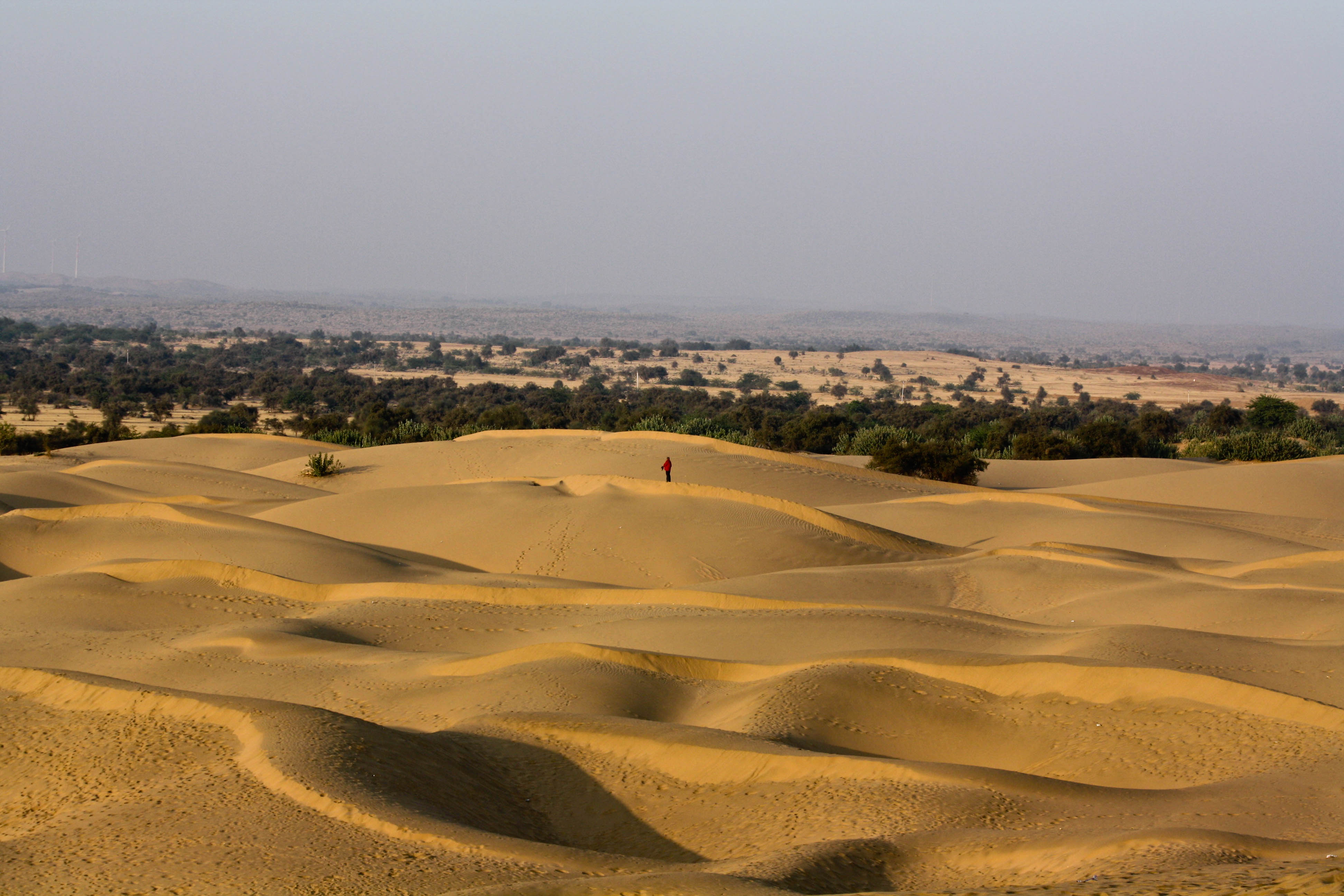
One practical tip: stay near the park gate, not in the nearest city — a morning safari starts before sunrise, and ten minutes from a gate-side lodge beats sixty from the station. Pair the parks' open season with our best time to visit Rajasthan guide and the trip nearly designs itself.
One and two-day Ranthambore safaris with permits, naturalist guides and gate-side stays sorted in advance — so your safari hours go to wildlife, not queues.
View this packageThe winning formula is simple: add Sariska when you come from Delhi, Ranthambore when you are in Jaipur, and let a specialist handle the permits as they do the forts. Planning a first trip around the cities? Read our 7 day itinerary and drop a safari night into the Jaipur end.
Four to five days combining the Pink City with two lakeside safari drives — the exact shape most wildlife visitors book for their first tiger trip.
See this package
Planning
The classic Jaipur–Jodhpur–Udaipur loop, plus how to drop a Ranthambore safari night into the start.
Read guide Planning
Month by month on weather, crowds and festivals — including when the tiger parks open and close.
Read guide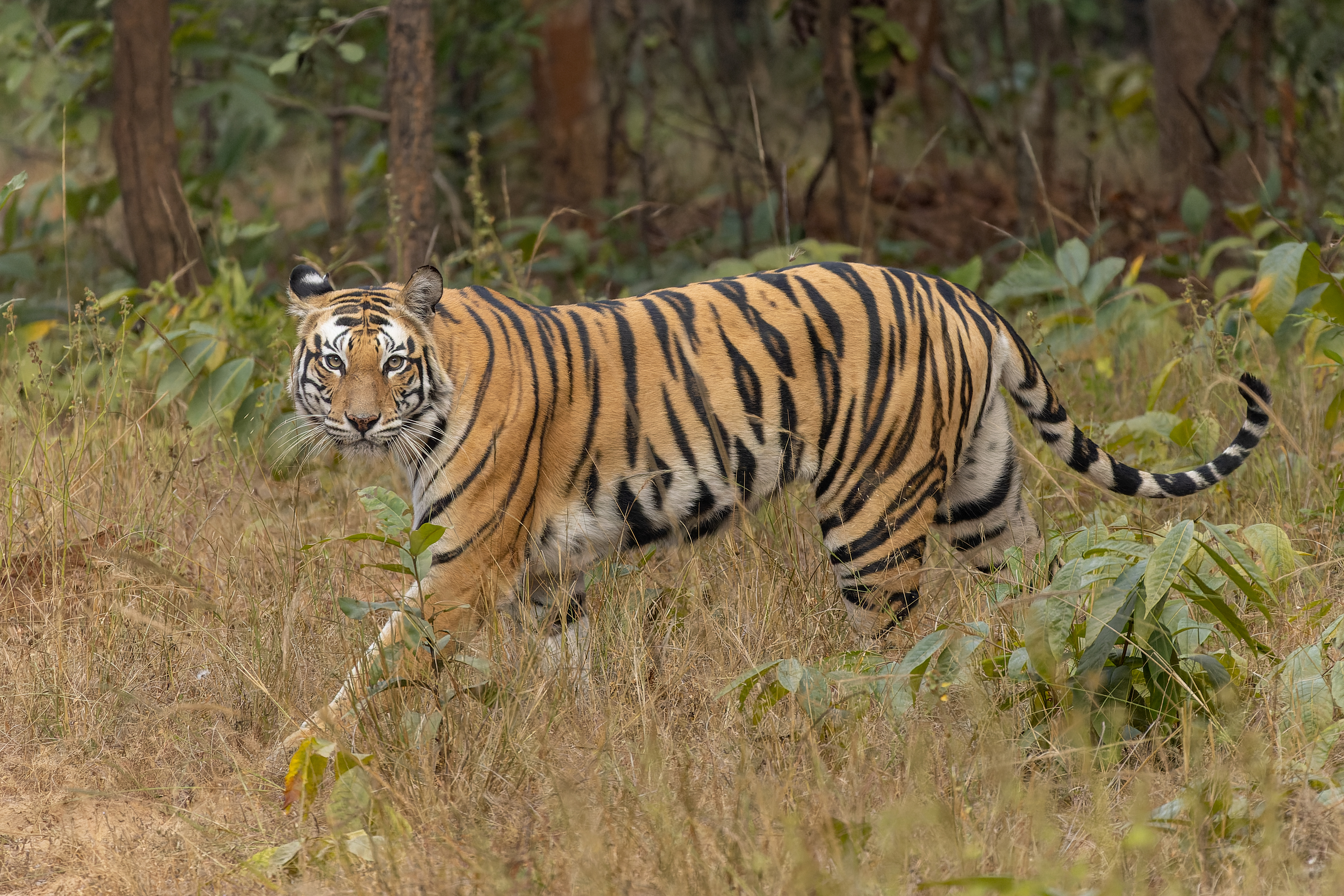 Planning
From a four-day Golden Triangle taste to a grand tour with safaris — honest day counts for every pace.
Read guide